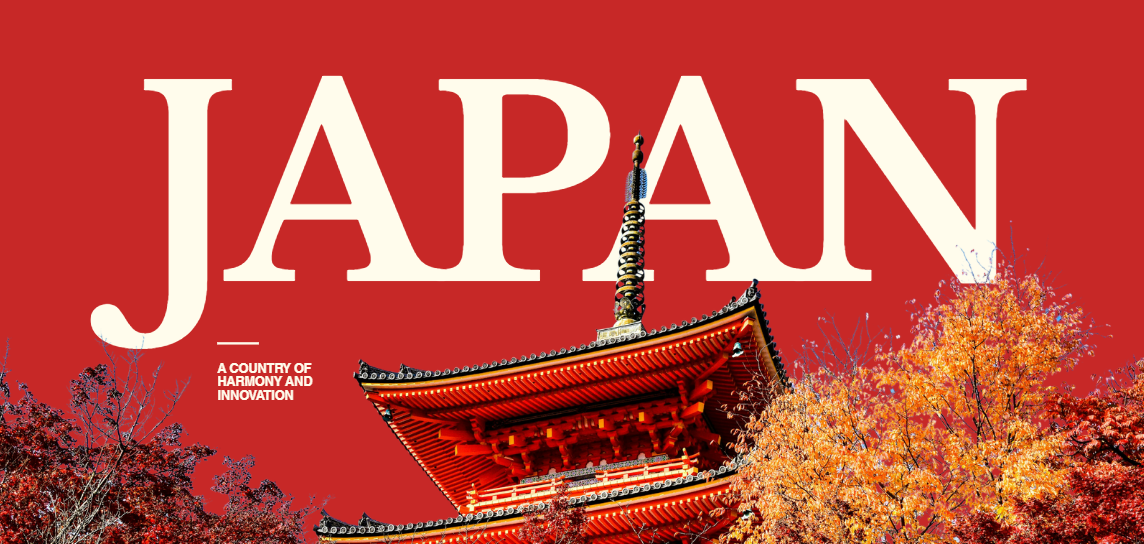

7 Must-See Spots in Fukushima Prefecture
Mention Fukushima to most international travelers and a single word comes to mind — but this sprawling, mountainous prefecture in Japan’s Tohoku region has a story far richer and more layered than any single chapter of its history. Fukushima is Japan’s third-largest prefecture by area (after Hokkaido and Iwate), encompassing volcanic highlands, centuries-old castle towns, luminous crater lakes, and some of the country’s finest fruit orchards. Whether you’re a first-time visitor to Japan or a seasoned explorer looking beyond the Golden Route, Fukushima delivers extraordinary experiences that few tourists have fully discovered. In this guide, you’ll learn the top sights to visit, how to get there, the best seasons to go, and practical tips that will help you plan a confident, rewarding trip.
Contents
1. Understanding Fukushima: Three Distinct Regions
One of the most important things to know before visiting is that Fukushima is not one landscape — it’s three. The prefecture is naturally divided into three geographic zones, each with its own climate, culture, and attractions. Understanding this division will save you time and help you plan a logical route.
Aizu: The Samurai Heartland
In the western third of the prefecture lies Aizu, a basin region ringed by mountains and steeped in samurai culture. Aizuwakamatsu City is the cultural capital here, home to the iconic Tsuruga-jo Castle (also called Aizuwakamatsu Castle), one of the most prominent reconstructed castle complexes in the Tohoku region. The Aizu domain was famously loyal to the Tokugawa shogunate during the Boshin War of 1868–69, and that history is palpable throughout the city. The region also produces Aizu lacquerware, sake, and the beloved Akabeko red cow folk toy.
Nakadori: The Central Corridor
Nakadori, the central region, runs along the Abukuma River and contains the prefectural capital, Fukushima City. This area is renowned for its peach and cherry orchards — Fukushima Prefecture is often called the “Fruit Kingdom” (kudamono ōkoku) of Japan, producing peaches, apples, pears, and grapes that attract seasonal visitors. To the south, Kōriyama City serves as a major transport hub connecting Tohoku’s rail and expressway networks. Nakadori is your most practical entry point if arriving by Shinkansen.
Hamadori: The Pacific Coastal Region
Hamadori, the eastern coastal region, faces the Pacific Ocean and offers a markedly different climate and culture from the inland zones — milder winters, fresh seafood, and a slower seaside rhythm. Cities like Iwaki and Soma anchor this region, with attractions including the Aquamarine Fukushima aquarium and the historic Soma Nomaoi samurai horseback festival held annually in late July. While Hamadori has been the focus of long-term recovery efforts since 2011, many areas have reopened and increasingly welcome travelers seeking authentic, less-trafficked experiences.
2. Top Natural Wonders You Cannot Miss
Fukushima’s geography is dramatic by any standard. The prefecture sits atop volcanic activity that has created some of Japan’s most photographed natural scenery. Two destinations in particular stand out as bucket-list level experiences for nature lovers.
Goshikinuma: The Five-Colored Ponds of Ura-Bandai
In the highlands of Ura-Bandai, a series of volcanic lakes shimmer in extraordinary hues of cobalt blue, emerald green, and turquoise — sometimes shifting color with the angle of sunlight and mineral content of the water. This area is collectively called Goshikinuma (五色沼, meaning “five-colored marshes”), and it’s accessible via a well-maintained walking trail of approximately 3.6 kilometers that takes roughly 60 to 90 minutes one way. The trailhead starts near the Urabandai Visitor Center, where English signage and maps are available. Access: Take a bus from Inawashiro Station (JR Banetsu-saisen Line) toward Ura-Bandai — please check the latest bus schedules with the Inawashiro tourism office or official sources. The best seasons are late May through early November, with autumn foliage (mid to late October) transforming the surrounding forest into a blaze of red and gold.
Oze National Park: One of Japan’s Largest Highland Wetlands
Straddling the borders of Fukushima, Gunma, Niigata, and Tochigi prefectures, Oze National Park is home to Ozegahara, one of Japan’s largest highland marshlands. At approximately 1,400 meters above sea level, it offers sweeping views of marshland boardwalks flanked by mizubashō (Asian skunk cabbage) in spring and golden grass in autumn. From the Fukushima side, hikers typically access Oze via Hinoemata Village in Minamiaizu, one of Japan’s most isolated mountain settlements. Key tip: Wear waterproof footwear, bring layers even in summer, and register your hiking plan at the trailhead entrance box as requested by park rules. The boardwalks protect the fragile ecosystem — please stay on marked paths at all times.
3. Historical and Cultural Landmarks Worth the Journey
Fukushima’s human history spans more than a millennium, from feudal castles to traditional craft towns. These sites offer depth that goes well beyond a photo opportunity.
Tsuruga-jo Castle and the Aizuwakamatsu Experience
Tsuruga-jo (鶴ヶ城) is one of Japan’s most symbolically charged castles. Originally built in 1384 by the Ashina clan and significantly expanded by Gamō Ujisato in the late 16th century, the current main keep is a 1965 reinforced-concrete reconstruction that faithfully reproduces the historic exterior. The castle is famous for withstanding a month-long siege during the Boshin War, a conflict that ended the Tokugawa era. Its distinctive red-tiled roof — restored in 2011 to recreate the appearance of the Bakumatsu period — makes it immediately recognizable. Inside, a well-curated museum covers Aizu’s feudal and modern history across multiple floors. How to get there:
- Take the JR Tohoku Shinkansen to Kōriyama Station.
- Transfer to the JR Banetsu-saisen Line toward Aizuwakamatsu (approximately 70 minutes).
- From Aizuwakamatsu Station, take the Haikara-san or Akabe sightseeing loop bus to the castle stop.
Please check current admission fees and opening hours directly with Tsuruga-jo official sources before visiting.
Ōuchi-juku: A Preserved Post Town Frozen in Time
About 30 kilometers south of Aizuwakamatsu lies Ōuchi-juku (大内宿), a remarkably preserved Edo-period post town that looks almost untouched by the modern world. The main street is lined with roughly 30 traditional thatched-roof buildings that once served travelers on the historic Aizu Nishi Kaidō trade road. Today, many of the buildings operate as restaurants and souvenir shops — the local specialty is negi soba, buckwheat noodles eaten using a single long green onion (negi) as a chopstick, a custom unique to this town. Access: From Aizuwakamatsu, take the Aizu Railway from Aizu-Wakamatsu Station to Yunokami-Onsen Station (approximately 50 minutes), then transfer to a shared shuttle bus or taxi to Ōuchi-juku — please verify current routes and departure times with the Aizu Tourist Association. The town is busiest in winter during the Ōuchi-juku Snow Festival (typically held on the second weekend of February), when lanterns illuminate the snow-covered rooftops at night.
4. Hot Springs and Relaxation in Fukushima
With active volcanic geology underpinning much of the prefecture, it’s no surprise that Fukushima is blessed with outstanding onsen (hot spring) destinations. From high-altitude wilderness baths to elegant ryokan retreats, there is a thermal experience here for every type of traveler.
Higashiyama Onsen: Classic Ryokan Culture Near the Castle
Higashiyama Onsen (東山温泉) sits in a wooded valley just 3 kilometers from Tsuruga-jo Castle, making it an ideal base for exploring Aizuwakamatsu. The area has been a hot spring resort with origins traced to legends of the 8th-century monk Gyōki, giving it a history of well over a thousand years. Today the onsen features a cluster of traditional ryokan inns along a small river gorge. Waters here are mildly alkaline and traditionally said to be beneficial for skin — often described in Japanese as bijin-no-yu (beauty water). Many ryokan offer multi-course kaiseki dinners featuring local Aizu ingredients such as wappa-meshi (steamed rice in cedar containers), mountain vegetables, and fresh river fish. Practical tip: If you’re new to ryokan culture, note that check-in is typically between 3 and 5 PM, yukata robes are provided for wearing around the inn, and meals are usually served in your room or a private dining area. Reservations are strongly recommended, especially during autumn foliage season.
Tsuchiyu Onsen: A Mountain Village with Deep Roots
Located about 16 kilometers west of central Fukushima City in a narrow mountain gorge, Tsuchiyu Onsen (土湯温泉) is a quiet, authentic hot spring village that has welcomed travelers for centuries. Unlike busier resort onsen, Tsuchiyu retains a low-key, locals-first atmosphere. The area is also known for Tsuchiyu kokeshi dolls — traditional cylindrical wooden dolls representing one of the major regional kokeshi-making lineages in Tohoku. Artisans in the village still make kokeshi by hand using a foot-operated lathe, and some workshops welcome visitors to observe the process. Access: Fukushima City is served by the JR Tohoku Shinkansen; from Fukushima Station, take a Fukushima Kōtsū bus bound for Tsuchiyu Onsen (approximately 40 minutes) — please confirm current bus timetables with Fukushima City’s tourism information center.
5. Best Seasons, Access, and Practical Planning
Timing and logistics can make or break a trip to Fukushima. Here’s a structured look at how the prefecture changes across the seasons and how to get there efficiently from major Japanese cities.
Seasonal Highlights at a Glance
| Season | Highlights | Top Destinations |
|---|---|---|
| Spring (Apr–May) | Cherry blossoms, mizubashō in Oze | Tsuruga-jo, Hanamiyama Park, Oze |
| Summer (Jun–Aug) | Hiking, festivals, cooler highlands | Ura-Bandai, Goshikinuma, Oze |
| Autumn (Sep–Nov) | Foliage, fruit harvest, onsen season | Ura-Bandai, Ōuchi-juku, Higashiyama |
| Winter (Dec–Mar) | Snow festivals, ski resorts, winter onsen | Ōuchi-juku Snow Festival, Nekoma Ski Resort |
Getting to Fukushima: Step-by-Step Access Guide
Fukushima is highly accessible from Tokyo thanks to the JR Tohoku Shinkansen, which stops at both Fukushima Station and Kōriyama Station — two of the prefecture’s main gateways. Here is a straightforward plan for arriving from Tokyo:
- Board the Yamabiko or Tsubasa Shinkansen at Tokyo Station, bound for Fukushima or Kōriyama.
- Fukushima Station is approximately 90 minutes from Tokyo; Kōriyama is about 80 minutes.
- From Kōriyama, connect to the JR Banetsu-saisen Line westward for Aizuwakamatsu (approximately 70 minutes).
- For Ura-Bandai and Goshikinuma, continue from Aizuwakamatsu to Inawashiro Station, then take a local bus.
- For Ōuchi-juku, transfer to the Aizu Railway from Aizu-Wakamatsu Station to Yunokami-Onsen Station, then take a shuttle bus or taxi — please confirm schedules in advance as they vary by season.
If you hold a JR Pass, Shinkansen travel between Tokyo and Fukushima Prefecture (on JR-operated lines) is covered. However, the Aizu Railway, some local buses, and other private railway lines require separate fares. Always confirm pass validity before boarding. Renting a car in Kōriyama or Aizuwakamatsu is strongly recommended for exploring rural areas like Ōuchi-juku, Hinoemata, and Tsuchiyu Onsen, as public bus frequency is limited, especially outside peak tourist season.
Summary and Key Takeaways
Fukushima is a prefecture of extraordinary contrasts — volcanic lakes and samurai castles, snow festivals and summer wildflower plateaus, traditional craft villages and modern transport links. Here are three essential takeaways for anyone planning a visit:
- Takeaway 1: Divide your itinerary by region. Aizu for history and culture, Ura-Bandai for nature, and Nakadori for city access and fruit experiences — these three zones reward visitors who plan thoughtfully rather than trying to cover everything in a single day.
- Takeaway 2: Autumn (mid-October) is arguably the single best time to visit, combining peak foliage color at Goshikinuma, comfortable temperatures for hiking, and active onsen season at ryokan. Book accommodation several months in advance for this period.
- Takeaway 3: A rental car significantly expands your access. Public transport covers the major hubs well, but Fukushima’s most memorable spots — Ōuchi-juku, Hinoemata Village, Tsuchiyu Onsen — are far easier to reach by car, particularly outside summer peak season.
Your Next Steps
- Visit the official Fukushima travel website at fukushima.travel for seasonal event calendars, updated bus schedules, and regional maps in English.
- If you plan to stay in a ryokan in Higashiyama or Tsuchiyu, book at least 2–3 months ahead for autumn visits and 4–6 weeks ahead for other seasons.
- Download an offline map app (such as Maps.me or Google Maps offline) covering the Aizuwakamatsu and Ura-Bandai areas before departure, as mobile signal can be limited in rural mountain zones.
※ Information in this article is based on the time of writing. Please check official sources for the latest details on hours, prices, and availability.


コメント